The Keeping House Capital Region · New York
N° 01 — The Practice
Capital Region · New York

A house, kept.
A family, on call.
Year-round.

A small, owner-operated concierge for a limited number of Capital Region homes — inside, outside, and everything in between. The same family. The same hands. The same key on the same hook, week after week, season after season.

Inquire about stewardship
  • 40Roster cap,
    by design
  • 1Family,
    owner-operated
  • Same key,
    same hook
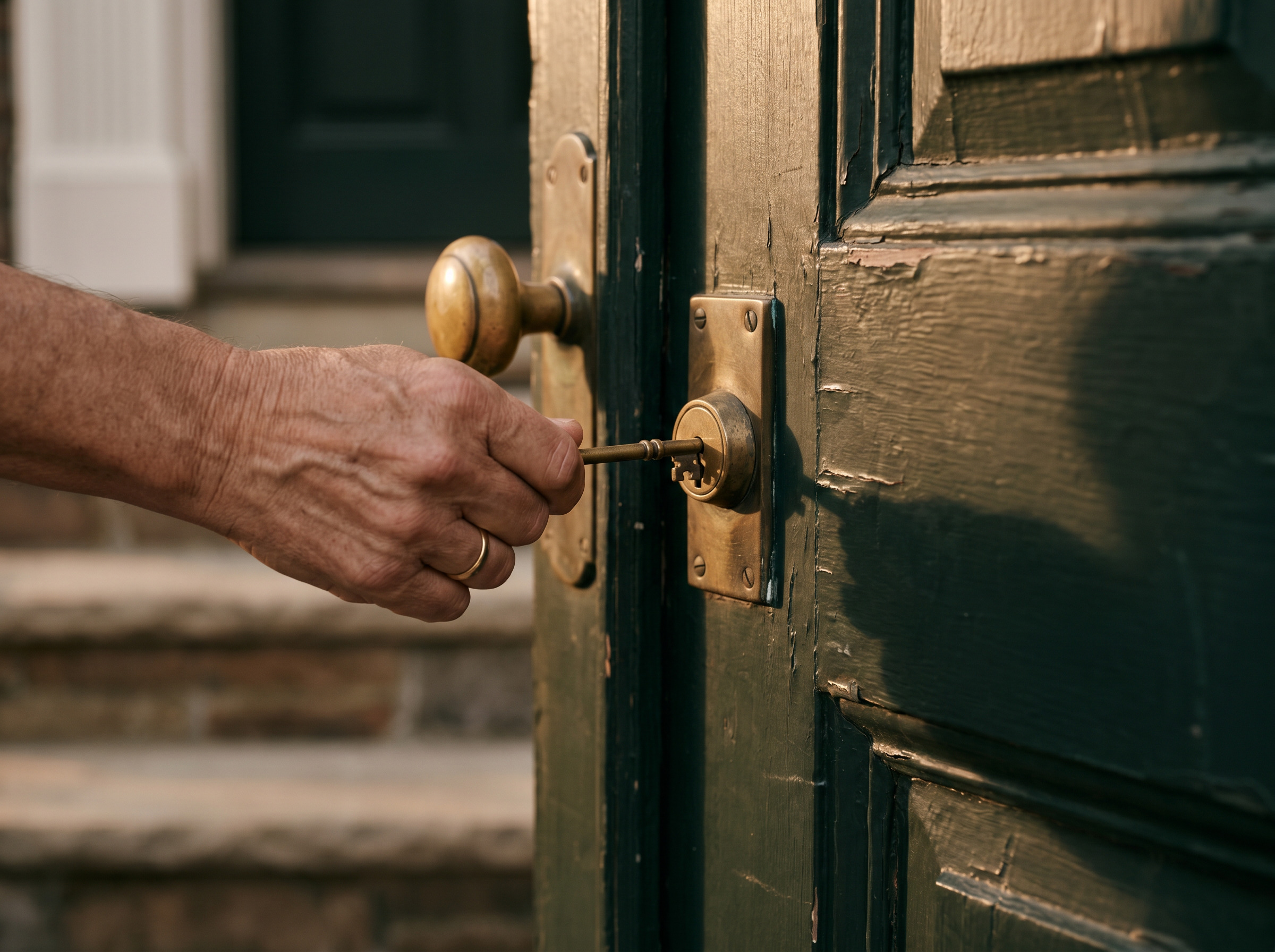
A weathered hand placing a brass key into the lock of a painted wood front door, late autumn light.
The first turn of the key
Who we look after

Two kinds of homes.
One quiet promise.

For

The home you can't always be at.

The lake house on Saratoga Lake. The camp on Ballston Lake. The second place in Glenville the family uses six weekends a year. While you're in the city, the gutter is filling, the package is sitting on the porch, the pipe is freezing, the lawn is going on without you. We're there in your place — walking the property twice a month, opening it in May, closing it in October, sending you a photograph the morning after every storm. The same crew, the same key, the same eyes on your home.

Owners in NYC, Boston, and Albany, with second homes throughout the Capital Region.

For

The home that's getting harder to keep.

The four-bedroom in Niskayuna where the kids grew up. The house in Glenville with the long driveway and the deck that needs staining. The one place that holds fifty years of a life — and has slowly become more than two hands can manage. We do the ladders, the lifting, the weatherstripping, the moved couch and the changed lightbulb. We bring the plumber when the plumber is needed. We come back next week, and the week after that, until the house is being looked after the way it deserves.

Aging-in-place homeowners and the adult children who quietly arrange this on their parents' behalf.

N° 02 — The Work

Three pillars,
one trusted family.

We do three things, and we do them with the attention of a household that cares deeply about the home it is keeping. Inside, outside, and the work of overseeing every other tradesperson who steps onto the property.

  1. 01

    Outside.

    Grounds, gardens, mowing, beds, snow plowing, gutter clearing, exterior cleaning, soft-wash, deck refinishing, fence and gate repair, outbuilding upkeep. Tended on a fixed cadence so the property looks the same in November as it does in June.

    Read on
  2. 02

    Inside.

    Light handyman performed quietly between visits — caulk, fixture replacement, doorknobs, drywall patches, paint touch-up, weatherstripping, smoke and CO detector batteries, picture hanging, and the moving of furniture and heavy objects when a room needs to be rearranged or a rug rolled up. Plus the seasonal work of opening and closing a second home: water on, water off, leak checks, package receiving, mail collection, occupancy walk-throughs.

    Read on
  3. 03

    Oversight.

    When the work is bigger than us — plumbing, electrical, HVAC, roofing, tree removal, fine carpentry — we bring in licensed trades we trust, meet them at the property, and supervise the work on your behalf. One phone call. One point of contact. One bill.

    Read on
N° 03 — Packages

Three shapes of keeping.

Most homes settle into one of three rhythms. Each is a fixed monthly arrangement — same family, same key, same eyes — scoped to what the property actually needs. Pricing is determined after the walkthrough, once we’ve seen the place.

Looking In

Twice-monthly visits

For the home you can’t always be at. Two scheduled visits a month inside and out — mail, packages, leak and freeze checks, gutter and drainage glance, exterior walk, photographs the same evening. We’re the eyes you can’t spare from the city.

Suited to properties up to roughly 3,500 sq ft. Larger or remote properties are scoped on request. Includes one seasonal opening or closing each year.

The Keeping

Twice monthly · inside, outside, trades

The full practice. Twice-monthly visits inside and out, light handyman performed between visits, grounds and snow held on a fixed cadence, and coordination of every licensed trade that steps onto the property. One family looking after the whole home.

Suited to properties up to roughly ½ acre and 3,500 sq ft. Larger lots and homes scoped on request. Includes both annual openings and closings, and the full property binder within thirty days.

The Standing

Weekly · on-call · priority response

For larger properties, demanding calendars, or aging-in-place homeowners who want a household on standby. Weekly attended visits, a direct cell number, a four-hour response guarantee day or night, and a custom calendar built around the way the home actually lives.

Held to a small number of homes by design. Scoped after the walkthrough.

Something else?

Some homes don’t fit neatly into one of the three. A historic house with a specific worry. A property only lived in for two months a year. A parent’s home that needs more eyes than hands. Tell us the situation, we’ll come walk it, and we’ll shape a custom arrangement around what the place actually needs. The same family, the same key, the same care.

Tell us about the home
N° 04 — The Arithmetic of Keeping

What it actually costs to let things slide.

Paying someone to keep the house feels like an expense until you run the numbers. The housing-finance industry has been running them for years. A $200 roof patch becomes a $20,000 roof replacement in a single season. A $150 leaky pipe becomes $7,000 in water damage. Across the broader picture, deferred maintenance costs three-to-five times more than the preventive care that would have kept it from happening — and that’s before resale day, when an appraiser walks the property and decides what your house is actually worth.

  • 3–5× The cost multiplier on deferred repairs versus preventive care. Industry analysis, Strada Real Estate
  • 5–15% Resale discount on homes with visible deferred maintenance — 15–25% if a major system has failed. Real-estate appraisal industry, HAR.com
  • $11,605 Average insurance payout for a home water or freezing claim. One in sixty insured homes files one each year. Insurance industry, via Peaks Property
  • 1–4% Of a home’s value, every year, is what Fannie Mae and the major insurers tell homeowners to budget for upkeep. Most never do. Fannie Mae · State Farm

On a $600,000 home, the rule says you should be reserving $6,000–$24,000 a year for upkeep. A quiet monthly arrangement with us is a small slice of that — and includes the eyes, the calendar, and the coordination most homeowners never quite get around to. We’re not arguing the math is close. We’re arguing the math is already on the side of someone keeping the house.

N° 05 — A Quiet Standard
A house is not a project.
It is a place — kept
quietly, year after year.

— The Practice

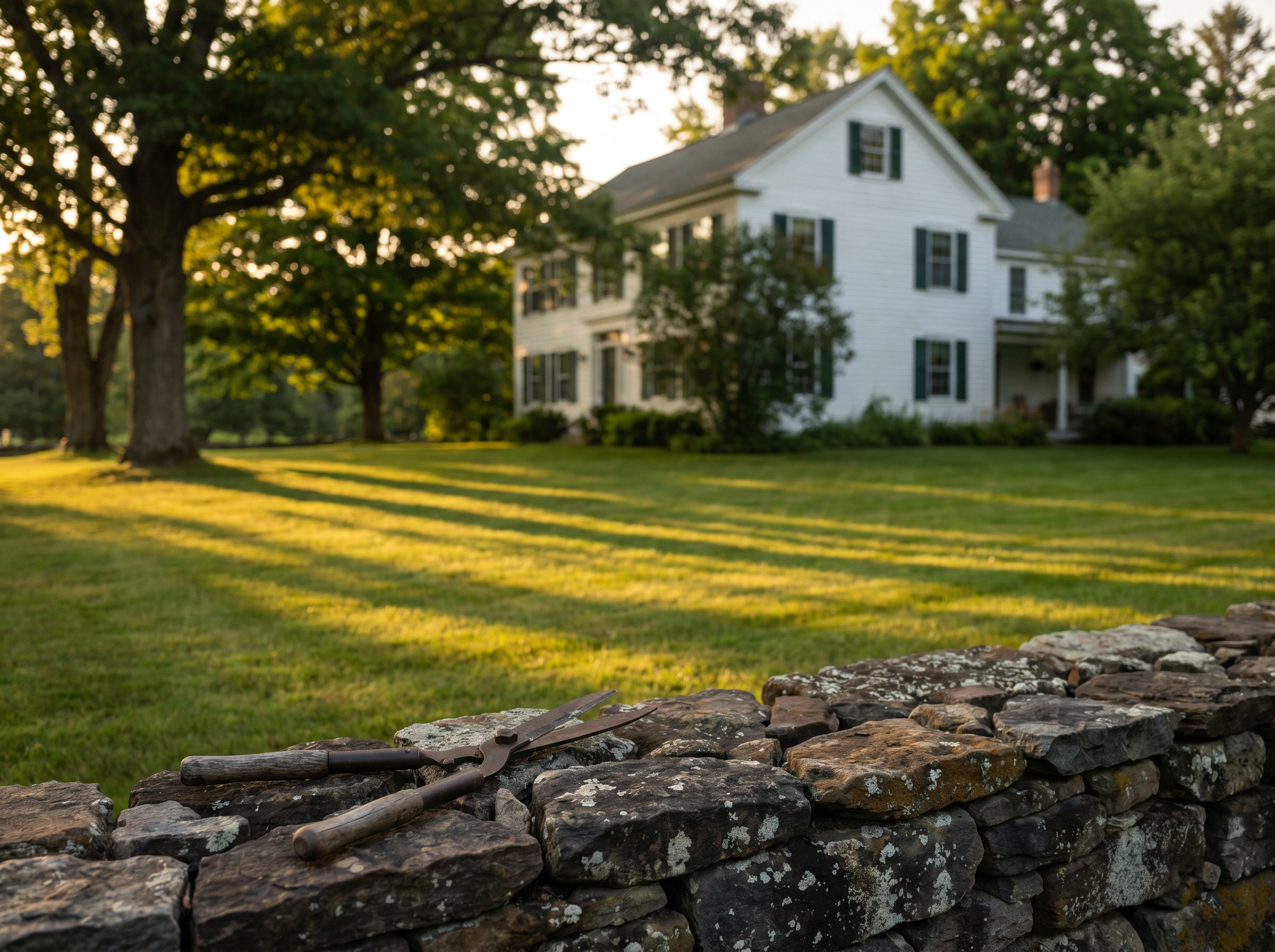
A kept summer property in the Capital Region — lawn freshly mowed, beds edged, the late afternoon light warming the back of the house.
Niskayuna · A summer evening, after the work
N° 06 — The Practice

A small, family-rooted practice for the homes we know by name.

The Keeping House began with a grandmother. A house she'd lived in for most of a lifetime, and the slow realization that keeping it the way she'd always kept it had quietly become more than two hands could manage.

It wasn't one thing. It was the lightbulb that had been out since spring, the storm door that wouldn't quite latch, the gutter section sagging at the back of the house, the tree limb over the driveway that needed coming down before winter. And it was the four phone numbers it took to handle them — a plumber who didn't know the plow guy, a handyman who didn't know the yard, four invoices a month, and nobody who knew the house. We did the work ourselves, the way you do for family. And then we kept doing it, for hers and a few others, and the shape of a practice quietly took form.

We hold a deliberately limited roster of homes across Saratoga and Schenectady counties. Each property receives a recurring rhythm of visits from the same family, year after year, so that the rake knows the flowerbed, the wrench knows the faucet, and the homeowner doesn't have to remember which company plows and which company opens the camp. We treat every property the way we treat our own — owner-operated, fully insured, quietly performed — through every season the Northeast offers, whether the owner is in residence or two hundred miles away.

The Oles Family
Founders & Stewards
N° 07 — Beginning

How a quiet relationship begins.

A first conversation is not a sales call. It's a slow walk through the property and an honest read of what the home actually needs. The questions below are the ones we hear most often before the first key changes hands.

  1. 01

    Do you do a walkthrough first?

    Always. Before any agreement is signed, one of the family meets you at the property for an unhurried walk — inside, outside, basement, attic, mechanicals, the small things you want kept an eye on. We listen more than we talk. The visit takes about an hour and is offered at no cost or obligation.

    You'll receive a written summary within two working days: what we observed, what we'd recommend on day one, and a proposed shape for the work. No pressure to decide.

  2. 02

    What does getting started look like?

    The walkthrough is free. If we both want to move forward, the first weeks include a careful intake — we document the home (rooms, mechanicals, shut-offs, exterior, outbuildings), photograph everything, label the keys, build the maintenance calendar, and meet any trades you already work with.

    Ongoing clients receive a full property binder — printed and digital — within the first thirty days.

  3. 03

    How quickly do you respond when something happens?

    For the routine — a question, a scheduling change, a quote request — within one working day, usually the same day. For a real problem (a leak, a failed furnace, a tree down) we are on the property within four hours during business hours, and by the next morning overnight. Standing clients have a direct cell number and a four-hour guarantee, day or night.

    After every visit — routine or emergency — you receive a short written report and photographs the same evening. You always know what we found and what we did.

  4. 04

    What does the first month actually look like?

    Week one: the intake visit — we document everything, set up your file, and confirm the visit cadence. Week two: first scheduled walk-through, with a written report. Week three: any agreed day-one work (fresh weatherstripping, the light bulb that's been out since spring, the gutter section that's been on your list). Week four: second walk-through, plus a thirty-day note from us — what we've learned about the house, what we'd suggest for the season ahead, and any small adjustments to the scope.

    After that, the rhythm settles: scheduled visits, written reports, one invoice each month, and the same family answering the phone.

Other questions are welcome — most are answered in a short conversation.

Begin a conversation
N° 08 — Where We Tend

A handful of towns,
tended deeply.

  • Glenville
  • Schenectady
  • Niskayuna
  • Saratoga Springs
  • Ballston Lake
  • Burnt Hills
  • Saratoga Lake
  • Ballston Spa
  • Clifton Park

We work within roughly an hour of Glenville. If your property sits a little farther afield, do write. We make exceptions for the right places.

N° 09 — Inquire

Begin a quiet conversation.

By telephone (518) 288·7980
By correspondence [email protected]
Office Glenville, New York

A reply usually arrives within two working days. We are taking on a small number of new homes for the coming year.

Sample site · for design review